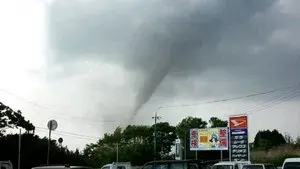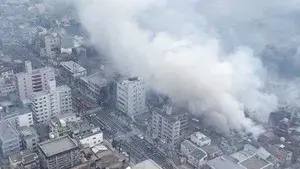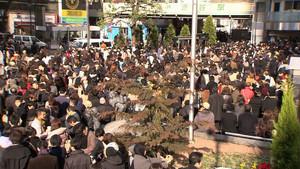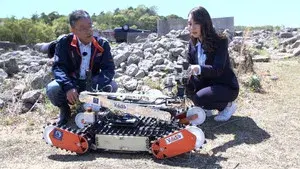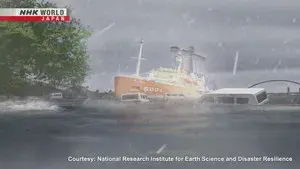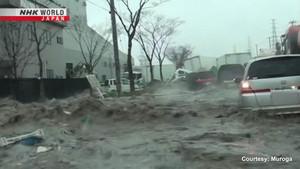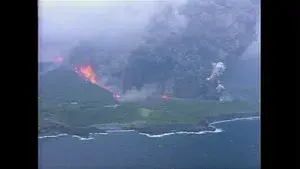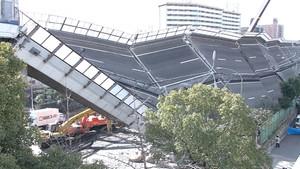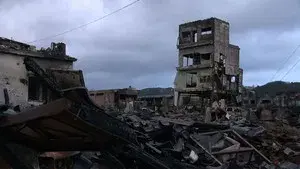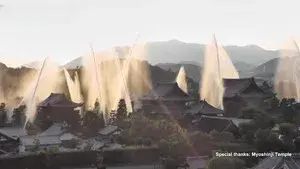

Japan has a long history of natural disasters. BOSAI explores how to overcome them and save lives with the power of science. This first program is about tsunami. First, we visit ruins in Miyagi Prefecture from the 2011 Great East Japan Earthquake, and learn how the psychological state of "normalcy bias" affects humans in a disaster. We also look at the characteristics of a tsunami, and new initiatives created with the aid of a supercomputer to help with evacuation drills and other countermeasures.

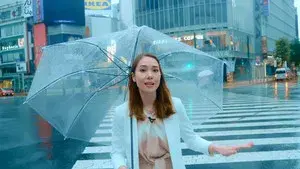
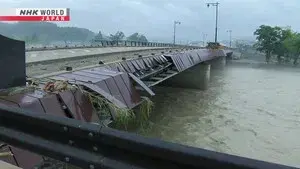
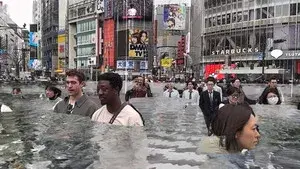
Japan's cities are often located in low-lying areas along rivers and are paved with concrete and asphalt, putting them at risk of flooding in the event of heavy rain. In recent years, significant damage has been caused by overflowing drains and backflow along drainage channels. In this program, we'll look at the unique mechanisms of urban flooding and explore ways to protect against disaster.