Loading player...

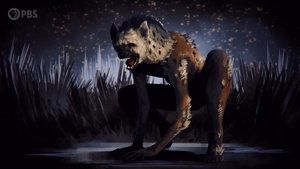
S3 E2- Werehyena: The Terrifying Shapeshifters of African Lore
0.0
2018
6 Seasons
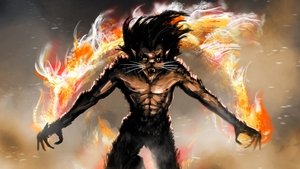
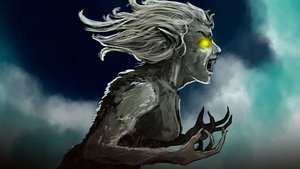
African folklore dictates that unlike other werecreatures this monster is an animal that disguises itself in human form. By day it walks the earth nearly indistinguishable from humans, but at night it returns to its true hyena shape to defile graves and eat the flesh within. Most often associated with artisan trades like metalworking, weaving, and pottery, the werehyenas evil powers are said to be passed on from generation to generation. How did the werehyena become associated with certain trades? To answer that questions, we’ll take a look at Beta Israel, or Ethiopian Jews, who became commonly accused of taking the guise of this monster—and why prejudice contributes to monster lore.