Loading player...
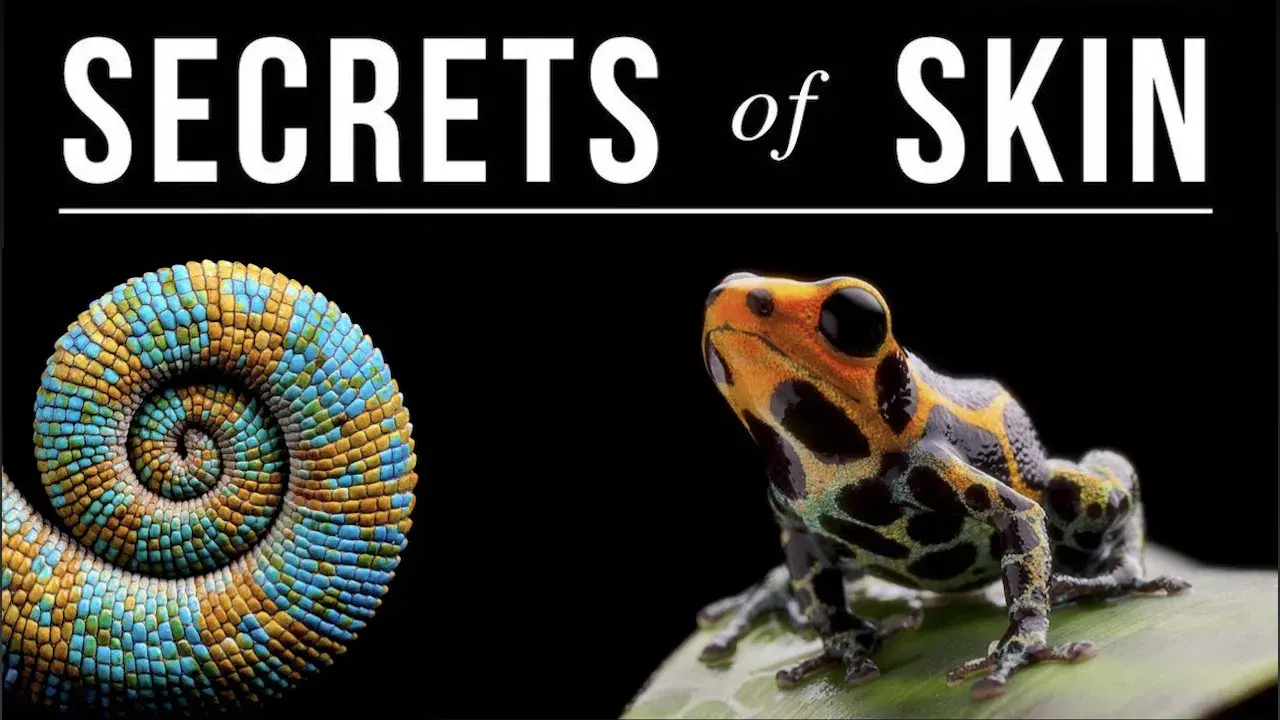
Secrets of Skin
S1 E1- Adaptability
0.0
2019
1 Seasons
In this episode, Professor Ben Garrod reveals groundbreaking new science and amazing specialist insight as he discovers how human skin is an ecosystem in its own right, playing host to demodex mites that might redefine our understanding of human ancestry. He explores the new science that could pave the way for re-engineering human skin on amputations to make it more robust. And he reveals how keratin, a protein that is a key component of skin and that makes up our hair and nails, has been taken to the extreme by some animals, including pangolins and horses. Skin is the body’s largest organ, and all vertebrates share the same basic blueprint. Adaptations in the three main layers, the epidermis, the dermis and the subcutaneous fat, have allowed vertebrates to thrive in virtually every habitat on earth.
Seasons
Episodes
1. Adaptability
28mIn this episode, Professor Ben Garrod reveals groundbreaking new science and amazing specialist insight as he discovers how human skin is an ecosystem in its own right, playing host to demodex mites that might redefine our understanding of human ancestry. He explores the new science that could pave the way for re-engineering human skin on amputations to make it more robust. And he reveals how keratin, a protein that is a key component of skin and that makes up our hair and nails, has been taken to the extreme by some animals, including pangolins and horses. Skin is the body’s largest organ, and all vertebrates share the same basic blueprint. Adaptations in the three main layers, the epidermis, the dermis and the subcutaneous fat, have allowed vertebrates to thrive in virtually every habitat on earth.